How to Dry Fruit at Home (Air Fryer & Oven) — the Mediterranean Pantry Trick
No dehydrator needed — dry fruit in your air fryer or oven with the times, temperatures and storage rules that actually work. Mediterranean pantry, honestly sourced.
Mediterranean Flavors
Mediterranean Cooking Expert
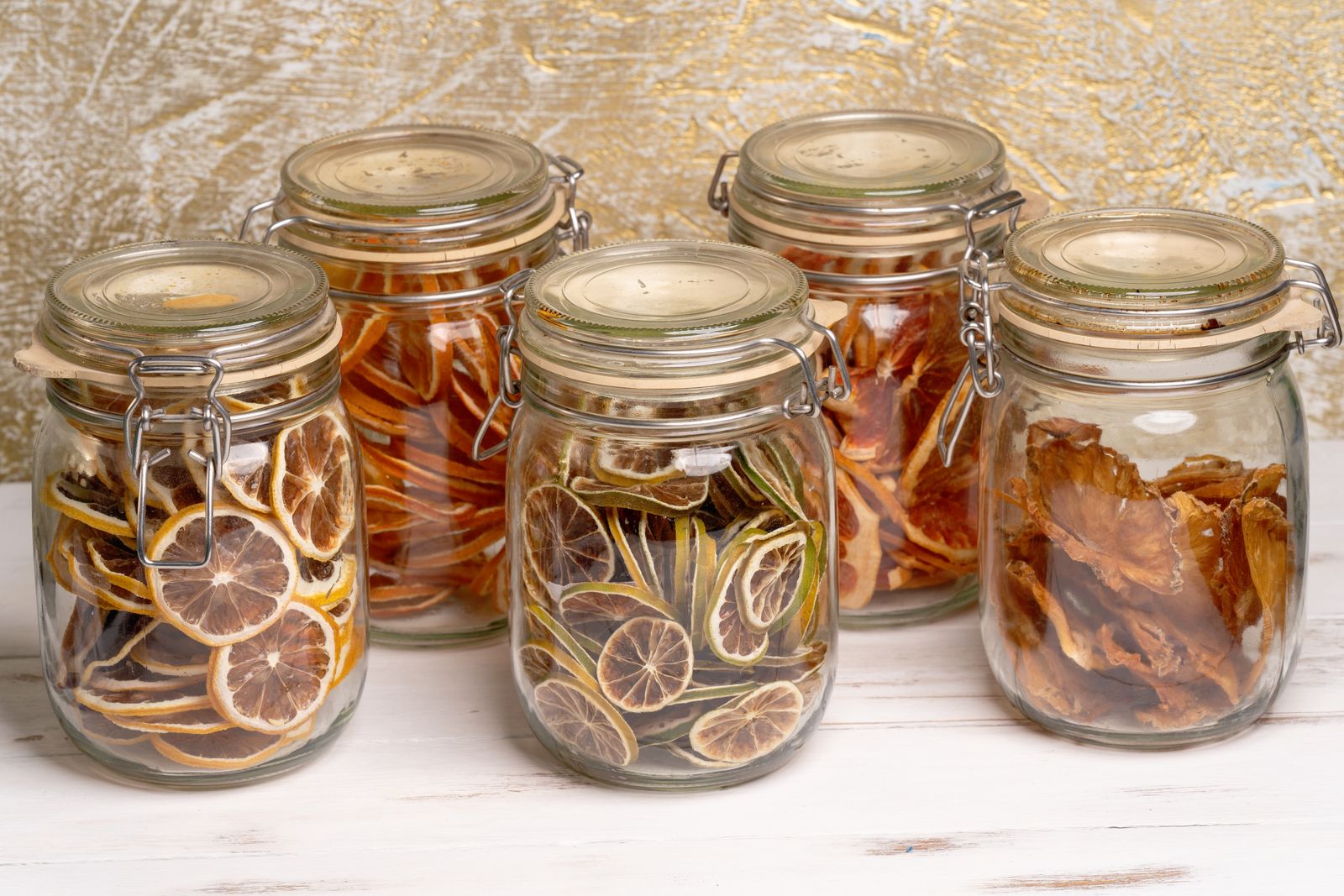
Long before supermarkets, the Mediterranean pantry ran on dried fruit: figs and apricots stacked in Turkish bazaars, raisins folded into Moroccan tagines, candied orange peel in Sicilian sweets. Drying is the oldest food-preservation trick there is — and you don’t need a dehydrator to do it. An air fryer or your oven does the job.
Here’s how to dry fruit at home properly, with the times, temperatures and storage rules that actually work.
Why dry fruit at all?
Dried fruit is the Mediterranean pantry’s quiet powerhouse: shelf-stable for months, concentrated in flavour and fibre, and it turns cheap seasonal fruit into something you can use all year — in tagines, pilafs, cakes, or straight from the jar.
It also saves money. Fruit bought in season and dried at home costs a fraction of packaged dried fruit — and has no added sugar or sulphites.
The golden rules (before you start)
- Use fruit at peak ripeness, not overripe. Overripe fruit has too much water and turns mushy instead of chewy.
- Cut even slices, 5 mm thick. Uniform thickness = uniform drying. A mandoline or a sharp knife — this is where a good knife earns its keep.
- Prevent browning with lemon. Apples, bananas, pears and peaches oxidize in minutes. Toss the slices in lemon juice (or a solution of 1 tsp citric or ascorbic acid per 500 ml water) before drying — this is the step most tutorials skip. (Source: National Center for Home Food Preservation)
- Don’t crowd. One layer, air moving around every piece. Crowding steams the fruit instead of drying it.
- Group fruit by water content. Watery fruit (orange, pineapple, strawberry) releases liquid as it dries — dry it separately from low-moisture fruit (banana, mango), which finishes faster.
Method 1: Air fryer (fastest)
- Temperature: 80-100°C — never higher, or you’ll bake the fruit instead of drying it.
- Time: 2-3 hours for banana, mango, papaya · 3-5 hours for orange, pineapple, strawberry.
- Flip every 20-30 minutes.
- Single layer only — the fruit must not touch.
Method 2: Oven (works for big batches)
- Temperature: 60-70°C, convection if you have it, door propped open with a wooden spoon so moisture escapes.
- Time: 4-8 hours depending on the fruit and thickness.
- Flip every hour.
- Place slices on a rack over a tray — air underneath dries both sides evenly.
Blanching: the step for stone fruit
Peaches, nectarines and apricots dry better after 30 seconds in boiling water, then straight into ice water — the skins slip off and the surface opens so moisture escapes faster. (Source: NCHFP)
Know when it’s done
Properly dried fruit is leathery and pliable, not sticky or brittle. Tear a piece in half: if no moisture beads appear at the tear and it doesn’t squeeze wet, it’s done. If it bends and cracks, you’ve gone too far — still delicious, just crunchier.
Storage: where most guides get it wrong
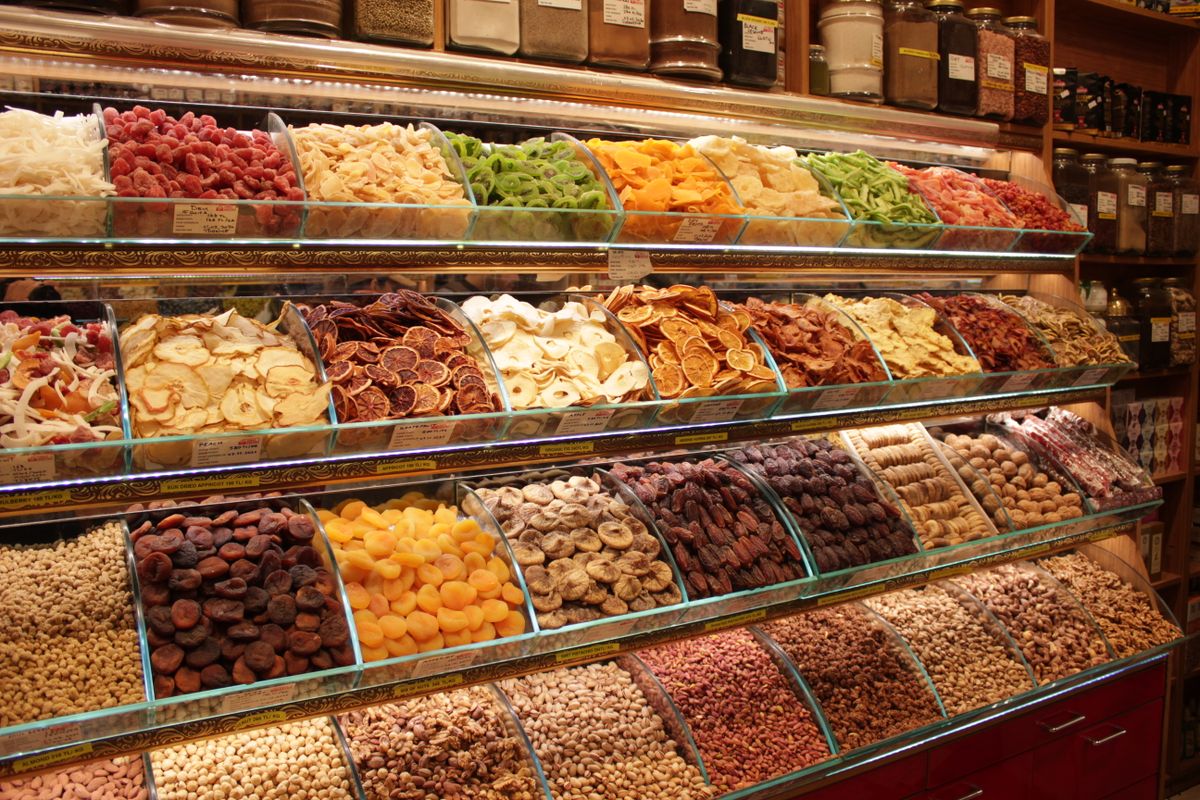
- Cool completely first — warm fruit in a jar = condensation = mould. Wait 1-2 hours.
- Condition it: for the first week, shake the jar daily. If moisture beads appear, dry the fruit 30 minutes more.
- Airtight glass jars in a dark, cool cupboard. Adding a cinnamon stick and a few whole cloves is a Mediterranean tradition — they’re antimicrobial and perfume the fruit.
- Shelf life, honestly: best quality for 6-12 months; safe well beyond that if stored airtight and dark. (Source: USDA Food Safety and Inspection Service) Whole-year claims on the internet are possible but the flavour fades — we prefer honest numbers.
⚠️ Once a jar is opened, eat within a few weeks — every opening lets moisture in.
How to use your dried fruit
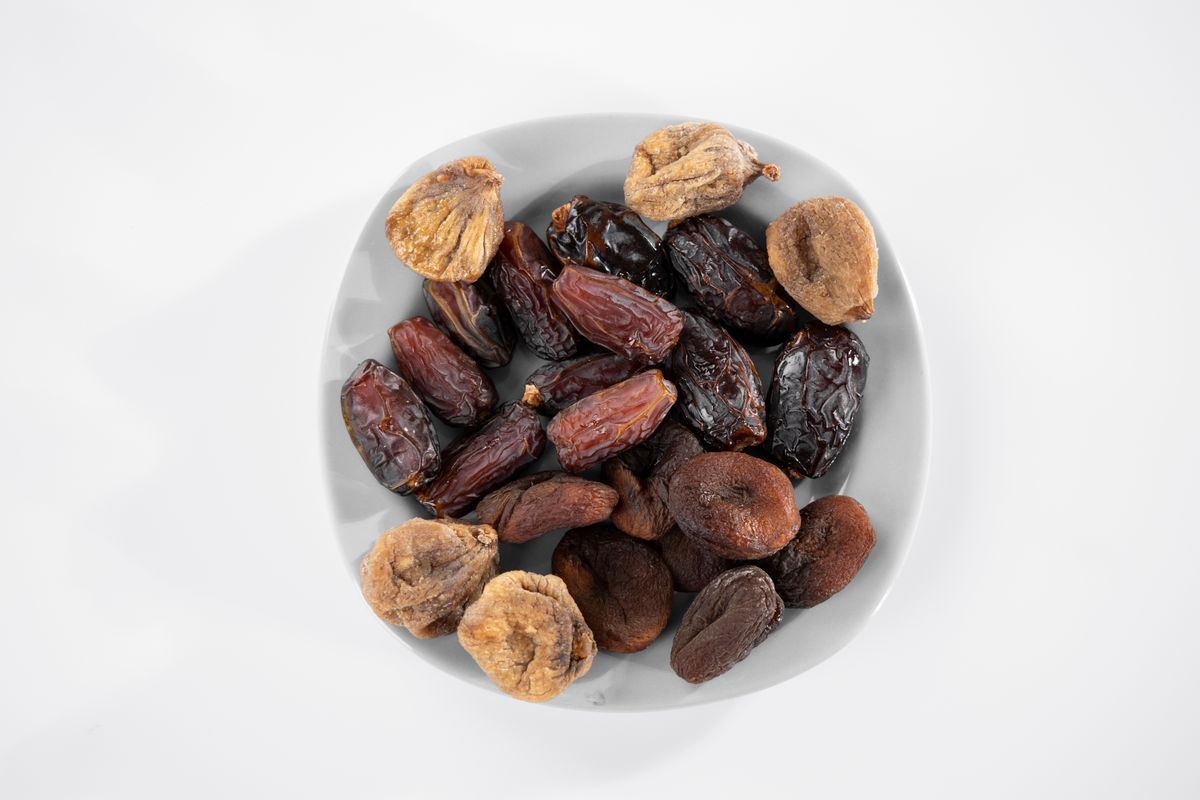
- In tagines and pilafs: apricots and raisins, the Moroccan way → Chicken Tagine with Apricots & Almonds
- In festive pastries: → Chebakia · Kaab el Ghzal / Gazelle Horns
- In winter breakfasts: scattered over Greek Yogurt with Honey & Walnuts
- Straight from the jar — the Mediterranean way: figs and almonds after dinner.
→ Planning a week of Mediterranean meals? Get the free 7-day plan
Sources
- National Center for Home Food Preservation (NCHFP), University of Georgia — drying fruits guidelines
- USDA Food Safety and Inspection Service — shelf-stable food storage
- University Extension guides on enzymatic browning control (lemon/citric acid)
Related Articles
How to Stock a Mediterranean Pantry
The complete Mediterranean pantry checklist: one great olive oil, whole tomatoes, legumes, five spices and the freezer trick. Stock it once, cook 80% of our recipes.
Read More →Mediterranean spices: a practical guide
The Mediterranean is not spicy — it is fragrant. The flavor of this cuisine comes from herbs and spices used generously, but with judgment.
Read More →Get More Cooking Tips
Join our community and get weekly Mediterranean cooking tips delivered to your inbox.